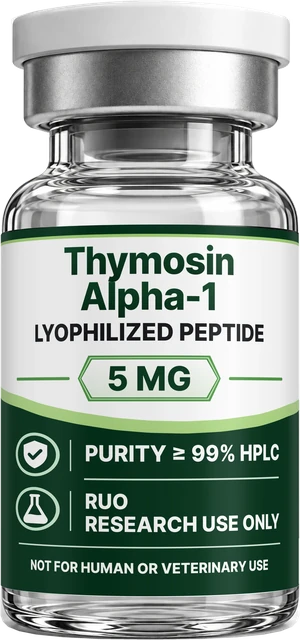
Thymosin Alpha-1
Thymalfasin · 28-amino-acid thymic peptide
Related Laboratory Supplies
Essential items for laboratory research and sample preparation.
Third-Party Tested
HPLC Purity & Mass Spec Identity
Batch-Specific COA
Certificate for Each Batch
Discreet Packaging
Plain, Unbranded & Tamper-Evident
Same-Day Dispatch
Order Before 2PM AEST, Australia-Wide
Thymosin Alpha-1 is a synthetic peptide studied for its role in immune signalling and cellular regulation. It is a 28-amino-acid peptide associated with thymic immune function and has been investigated in experimental models involving T-cell activity, cytokine signalling and immune responses.
Thymosin Alpha-1 Australia research focuses on understanding these biological pathways under controlled laboratory conditions. The material described on this page is intended strictly for laboratory and in-vitro research, not for human or veterinary use.
What Is Thymosin Alpha-1?
Thymosin Alpha-1 (Tα1), also known as thymalfasin, is a synthetic version of a naturally occurring peptide originally isolated from thymic tissue. It consists of 28 amino acids and has an acetylated N-terminus.
The peptide has been investigated for its involvement in immune regulation, particularly pathways associated with T lymphocytes, dendritic cells and cytokine production.
Published studies have examined its interactions with innate and adaptive immune signalling systems. These investigations include cellular models and clinical research involving pharmaceutical formulations.
Thymosin Alpha-1 research material supplied for laboratory work is distinct from any pharmaceutical preparation. Its identity, purity and other batch characteristics require independent analytical documentation.
Thymosin Alpha-1 in Immunological Research
Thymosin Alpha-1 is investigated across several areas of experimental immunology.
Research topics include:
- T-lymphocyte activation and differentiation
- Dendritic cell signalling and immune communication
- Cytokine expression and regulation
- Innate and adaptive immune interactions
- Toll-like receptor-associated pathways
- Cellular responses in experimental immune models
Laboratory studies often examine specific molecular pathways using controlled cellular systems.
Published clinical investigations involving pharmaceutical Thymosin Alpha-1 formulations provide additional scientific context. However, findings from those studies cannot establish the safety, effectiveness or suitability of research-only material.
Quick Product Information
| Property | Details |
|---|---|
| Product name | Thymosin Alpha-1 |
| Alternative names | Tα1, Thymalfasin, Thymosin α1 |
| Research classification | Immunomodulatory peptide |
| Research targets | T-cell signalling, dendritic cell activity, cytokine pathways and innate immune responses |
| Molecular formula | C₁₂₉H₂₁₅N₃₃O₅₅ |
| Molecular weight | Approximately 3,108.3 g/mol |
| CAS number | 62304-98-7 |
| Amino acid length | 28 amino acids |
| Physical form | Confirm against supplied product documentation |
| Available strengths | 5 mg and 10 mg |
| Purity | Refer to verified batch-specific analytical results |
| Analytical testing methods | HPLC and MS, where documented |
| Certificate of Analysis | Batch-specific CoA, where available |
| Storage requirements | Follow verified product-specific storage documentation |
| Intended use | Laboratory and in-vitro research only |
How Thymosin Alpha-1 Works in Research
T-Cell Signalling and Immune Regulation
Thymosin Alpha-1 has been studied for its influence on signalling processes associated with T lymphocytes.
Experimental research has examined changes in T-cell activation, differentiation and immune communication. These responses depend on the experimental model, cellular conditions and signalling environment.
The peptide is also investigated in relation to adaptive immune pathways, where interactions between immune cells help regulate biological responses.
Innate Immune and Cytokine Signalling
Thymosin Alpha-1 research also examines innate immune mechanisms, including dendritic cell activity and Toll-like receptor-associated signalling.
Studies have reported changes in cytokine responses and immune-cell behaviour under specific experimental conditions.
These observations have encouraged further investigation into how Thymosin Alpha-1 interacts with immune signalling networks. Its effects are context-dependent and should not be interpreted as evidence of a therapeutic effect from independently supplied research material.
Thymosin Alpha-1 vs Other Immunological Research Peptides
Different research peptides are investigated for distinct biological mechanisms.
| Compound | Primary Research Focus |
|---|---|
| Thymosin Alpha-1 | Immune signalling and immunomodulation |
| Thymosin Beta-4 | Actin regulation, cell migration and tissue-related pathways |
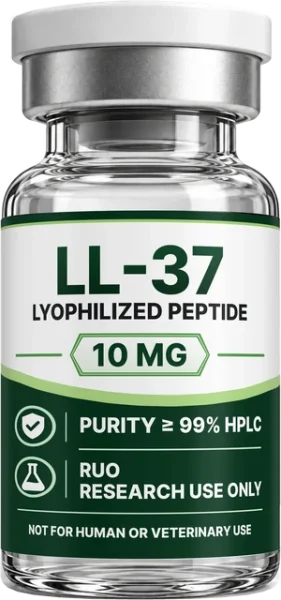
| LL-37 | Antimicrobial peptide activity and innate immune signalling |
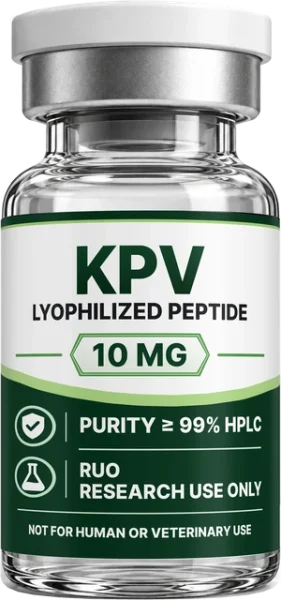
| KPV | Inflammatory signalling and cellular response pathways |
Although these compounds may appear in related immunological research, they differ in molecular structure, biological activity and experimental applications.
They should not be treated as interchangeable research materials.
Thymosin Alpha-1 Research in Australia
Australian laboratories working with Thymosin Alpha-1 should maintain clear records of material identity, batch identification and analytical documentation.
Research-only peptide materials are not automatically approved therapeutic goods. The regulatory position depends on their intended use, presentation and applicable Australian legislation.
The Therapeutic Goods Administration (TGA) regulates therapeutic goods in Australia, including medicines supplied for therapeutic purposes.
Researchers should distinguish independently supplied laboratory material from pharmaceutical formulations investigated in published studies. Research labelling does not remove applicable regulatory obligations, including importation, supply and laboratory handling requirements.
Specifications
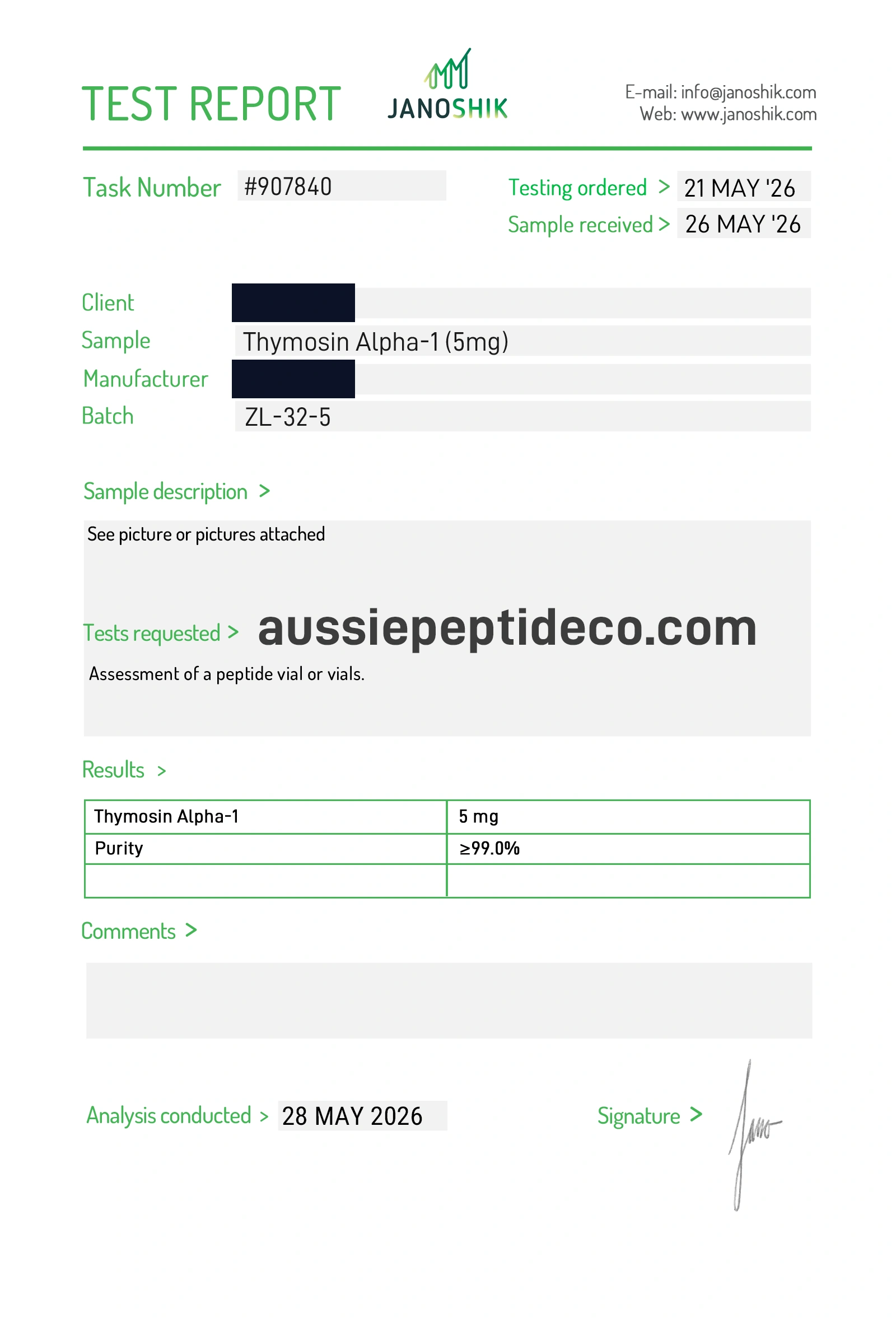
Certificate of Analysis
Quality, Purity and Batch Testing
Analytical testing helps researchers assess the identity and chemical characteristics of Thymosin Alpha-1 material.
High-Performance Liquid Chromatography (HPLC) separates components within a sample and can provide information about chromatographic purity.
Mass Spectrometry (MS) examines mass-related characteristics and supports molecular identity assessment.
A batch-specific Certificate of Analysis (CoA) should identify the tested material, batch reference, analytical methods and reported results.
Purity values should only be published when supported by verified documentation for the relevant batch.
Analytical purity does not establish sterility, freedom from endotoxins, biological safety or suitability for human administration.

Storage & Handling
Storage and Laboratory Handling
Thymosin Alpha-1 research material should be stored according to the conditions stated in its verified product or batch documentation.
Laboratories should consider temperature control, moisture exposure, light sensitivity where applicable and the integrity of sealed containers.
Handling procedures should minimise contamination and maintain accurate sample identification.
Any preparation or subsequent storage should follow validated laboratory procedures. Storage temperatures, expiry periods and stability after reconstitution should not be assumed without supporting product-specific data.
Research Use Only: For Research Use Only. Not for human or veterinary use. This material is intended strictly for laboratory and in-vitro research purposes and must not be consumed or administered.
Reconstitution calculator: Thymosin Alpha-1 5mg
Work out concentration and the volume to draw for each aliquot before you add diluent.
- Concentration
- –
- Volume per aliquot
- –
- On a 1 mL (U-100) syringe
- –
- Aliquots per vial
- –
A laboratory arithmetic aid only. Verify every calculation independently. Not dosing guidance; research use only.
Thymosin Alpha-1 Frequently Asked Questions
Thymosin Alpha-1 is a naturally occurring 28-amino-acid peptide associated with immune regulation. Synthetic versions are studied in laboratory models examining immune-cell signalling, cytokine activity and cellular responses.
Thymosin Alpha-1 is classified as an immunomodulatory peptide. Its structure includes 28 amino acids and an acetylated N-terminus. Research focuses on its interactions with innate and adaptive immune pathways.
Research has examined Thymosin Alpha-1 in T-cell signalling, dendritic cell activity, Toll-like receptor-associated pathways and cytokine regulation. Observed responses vary according to the experimental model and conditions.
Thymosin Alpha-1 is primarily investigated for immune signalling, while Thymosin Beta-4 is associated with actin regulation and cell migration. They are structurally distinct peptides with different research applications.
Thymosin Alpha-1 is studied for immunomodulatory signalling. LL-37 is an antimicrobial peptide investigated for microbial interactions and innate immune responses. Their molecular structures and biological mechanisms differ.
Researchers investigate Thymosin Alpha-1 to understand immune-cell communication, cytokine regulation and signalling mechanisms. Laboratory studies help characterise its molecular interactions under defined experimental conditions.
The molecular formula of Thymosin Alpha-1 is C₁₂₉H₂₁₅N₃₃O₅₅, with an approximate molecular weight of 3,108.3 g/mol for the free peptide. These values are recorded in PubChem.
HPLC can assess chromatographic purity by separating sample components. Mass spectrometry supports molecular identity verification. Results should be interpreted using the relevant analytical methods and batch documentation.
A batch-specific CoA should include material identification, batch reference, analytical methods, reported purity, identity testing results and relevant specifications. Additional information depends on the testing performed.
No. This material is intended strictly for laboratory and in-vitro research. It is not supplied as a medicine and must not be consumed or administered to humans or animals.
No. This product is supplied strictly for in-vitro laboratory research. It is not approved for human or veterinary use and must not be consumed or administered.
Orders placed before 2PM AEST on business days are dispatched the same day from Melbourne. Standard Post takes 3–7 business days and Express Post 1–3 business days, both tracked and discreet.
Reviews
There are no reviews yet.